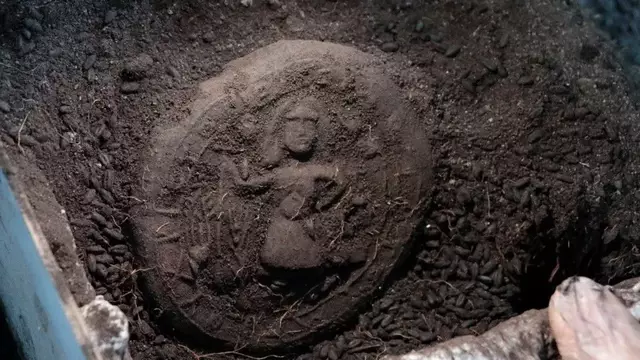
Archaeologists have uncovered an ancient artifact depicting Jesus, shedding light on John 6:35. The discovery of carbonized loaves of bread with images of Jesus and crosses reveals new insights into early Christian interpretations.
In a groundbreaking discovery, archaeologists have uncovered an ancient artifact at Topraktepe, the ancient site of Eirenopolis in Turkey, which provides new insight into one of the Bible’s most famous verses. This find shines a light on how early Christians interpreted the Bible and could significantly impact our understanding of the religious text.
For centuries, scholars have debated whether the Bible is based on fact or fiction. This recent discovery challenges these debates, revealing evidence that ties directly into biblical teachings.
The Discovery of Carbonized Loaves
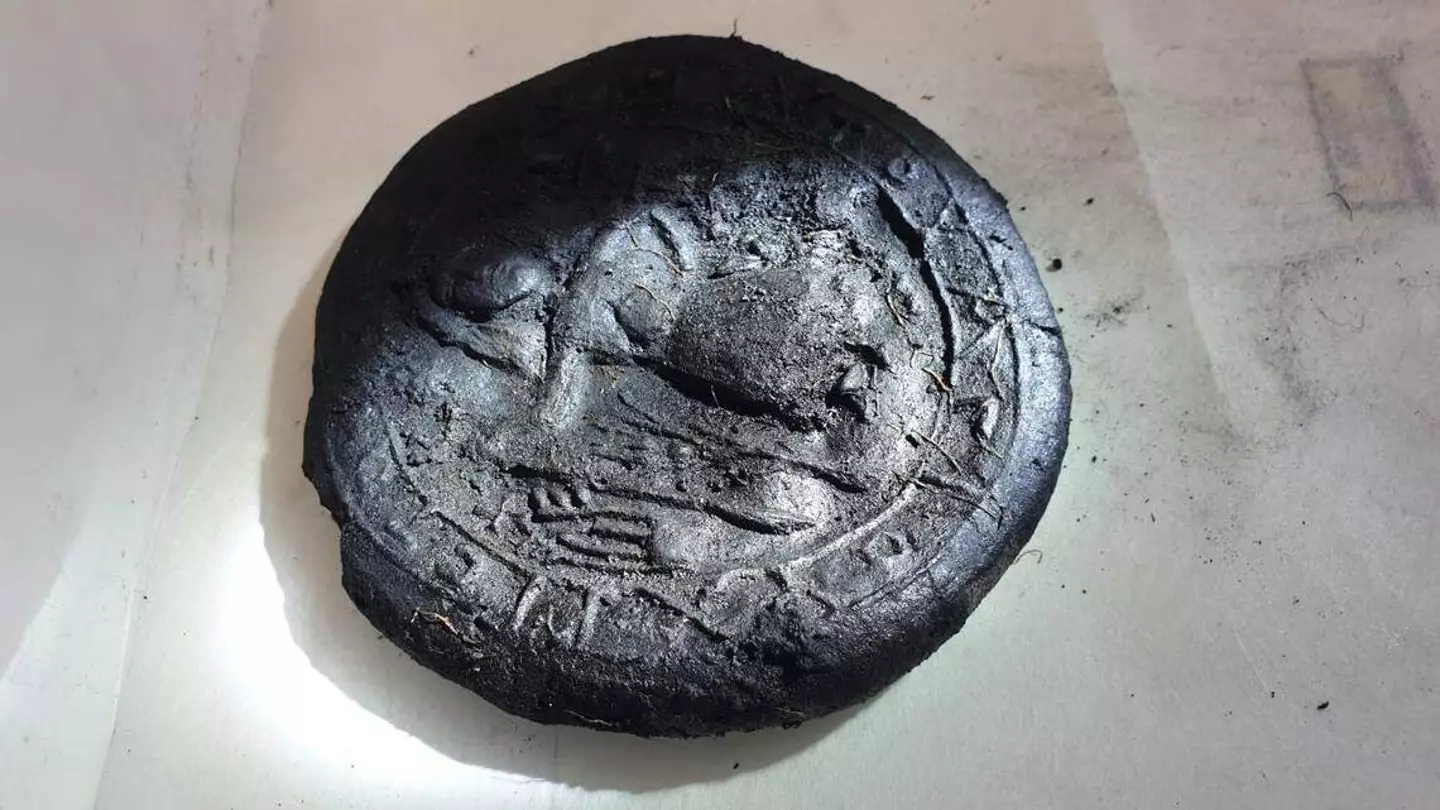
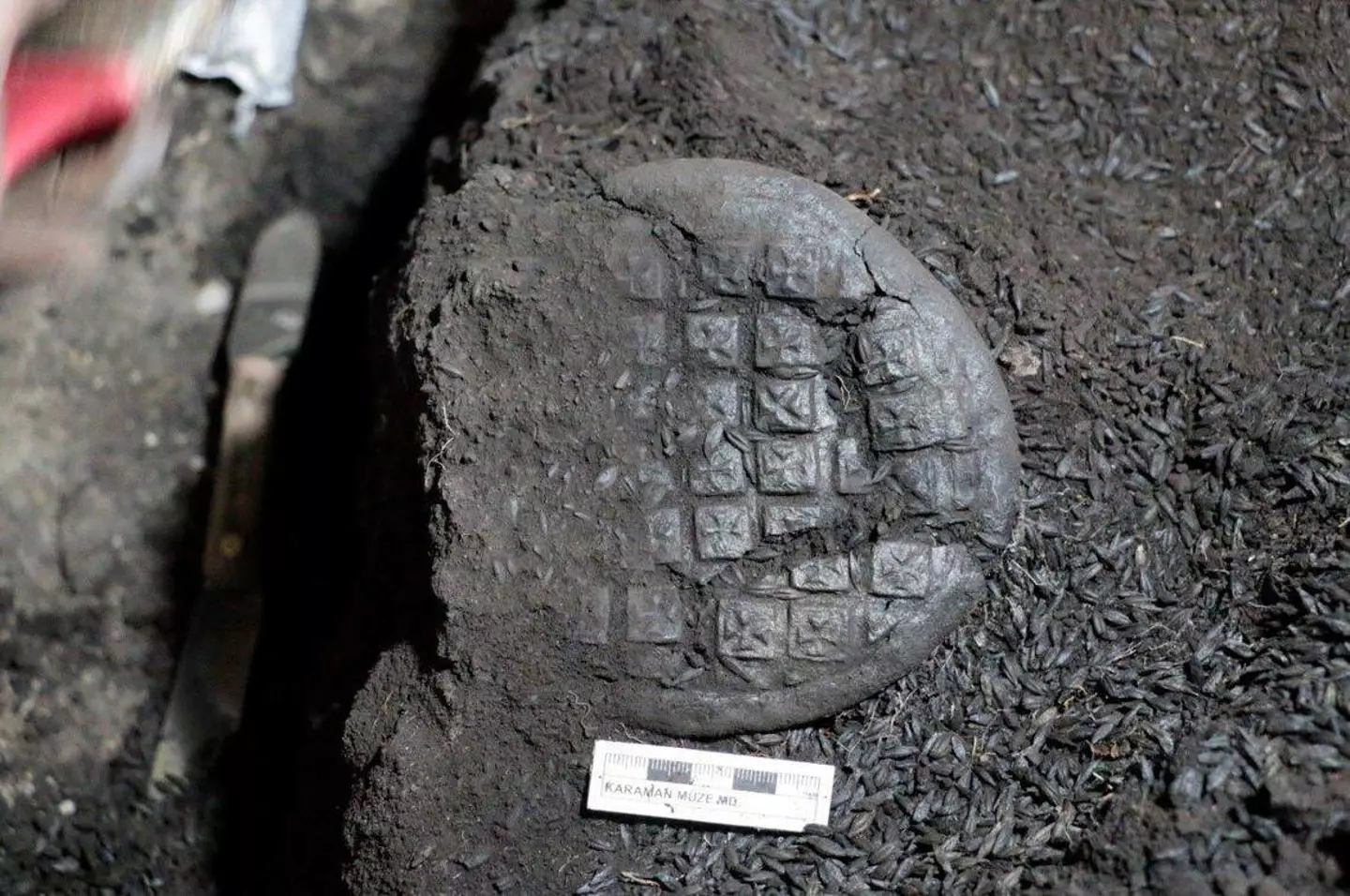
The artifact consists of five carbonized loaves of bread, which were found to bear intricate marks resembling Jesus and crosses. These loaves date back around 1,300 years and are considered some of the best-preserved examples of their kind found in Anatolia, the westernmost part of Asia.
Thanks to the natural carbonization process—where the loaves were exposed to fire under specific temperature conditions with limited oxygen—the fine details of the loaves were preserved, allowing researchers to identify remarkable symbols that connect them to Jesus and Christian rituals.
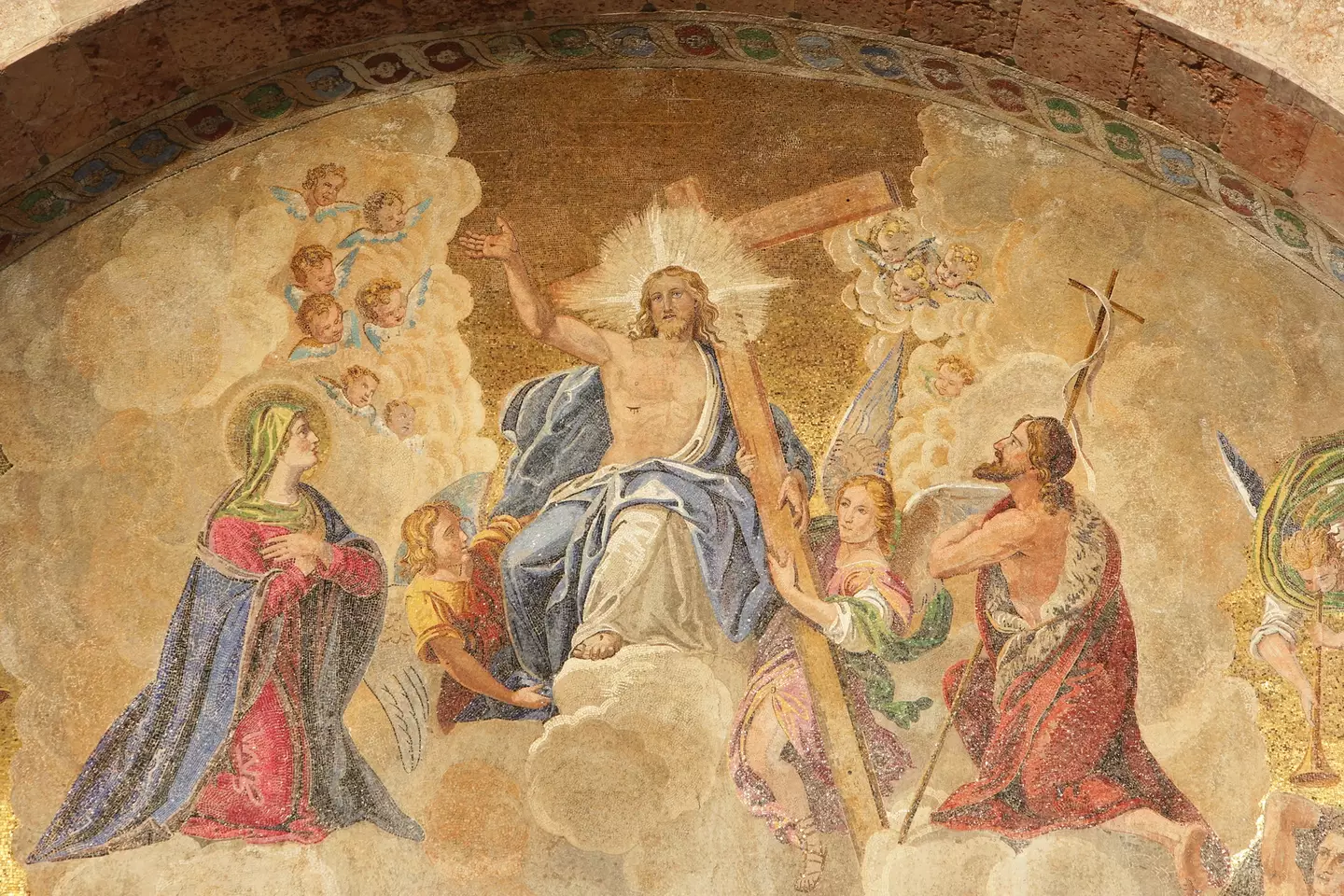
Connection to John 6:35: “I Am the Bread of Life”
The discovery holds a special connection to the Bible, particularly to the verse John 6:35, where Jesus declares:
“I am the bread of life.”
One of the loaves is inscribed with a portrait of Jesus and an inscription in ancient Greek, reading:
“With thanksgiving to the Blessed Jesus.” This inscription directly references the verse, underscoring the significance of bread in early Christian beliefs.
In the context of early Christian traditions, bread was seen as more than just food—it was a sacred object representing the body of Christ. The people of Eirenopolis considered bread to be a symbol of Jesus himself, which ties directly into communion practices.
The Symbolism of Jesus as the Sower
The loaves depict Jesus not only as the bread of life but also as a sower—the one who plants wheat for harvest. This is a deeply spiritual depiction, as it ties the cycle of growing and eating crops to the concept of salvation. Early Christians believed that just as wheat is planted, grows, and is harvested, so too is salvation granted to those who partake in the body of Christ through the consumption of bread during communion.
The presence of crosses on the other loaves further suggests that these artifacts were used in rituals like the Eucharist, or Lord’s Supper, where bread and wine are consumed to commemorate Christ’s sacrifice.
A Connection to Other Historical Artifacts
This discovery adds to the growing body of evidence supporting the theory that Jesus was a real historical figure. One such artifact is the Turin Shroud, which has long been associated with the burial of Jesus Christ. The Shroud of Turin, displayed at the Cathedral of St. John the Baptist in Turin, Italy, was believed to be the burial cloth of Jesus.
For years, the Shroud was met with skepticism, with many doubting its authenticity. However, scientific studies have now provided evidence suggesting that the shroud dates back to the time of Jesus, with recent x-ray analysis confirming its 2000-year-old origins, compatible with Christian tradition.
Though researchers have acknowledged that the shroud could have been preserved only under strict temperature-controlled conditions for centuries, these findings further reinforce the belief that the artifacts linked to Jesus are genuine.
A Revelation for Christian History
The discovery at Topraktepe is a significant breakthrough in our understanding of early Christianity and its practices. It not only provides tangible evidence of early Christian rituals but also offers new insights into how followers of Jesus saw him as both a divine figure and a symbol of salvation, represented by everyday items like bread.
As further studies and investigations unfold, we can expect even more revelations that may shed light on how early Christians interpreted and lived out the teachings of Jesus.