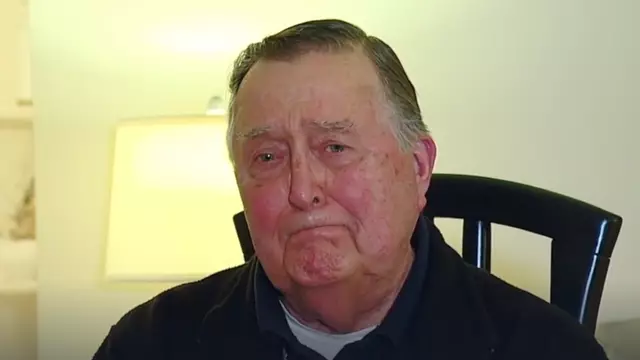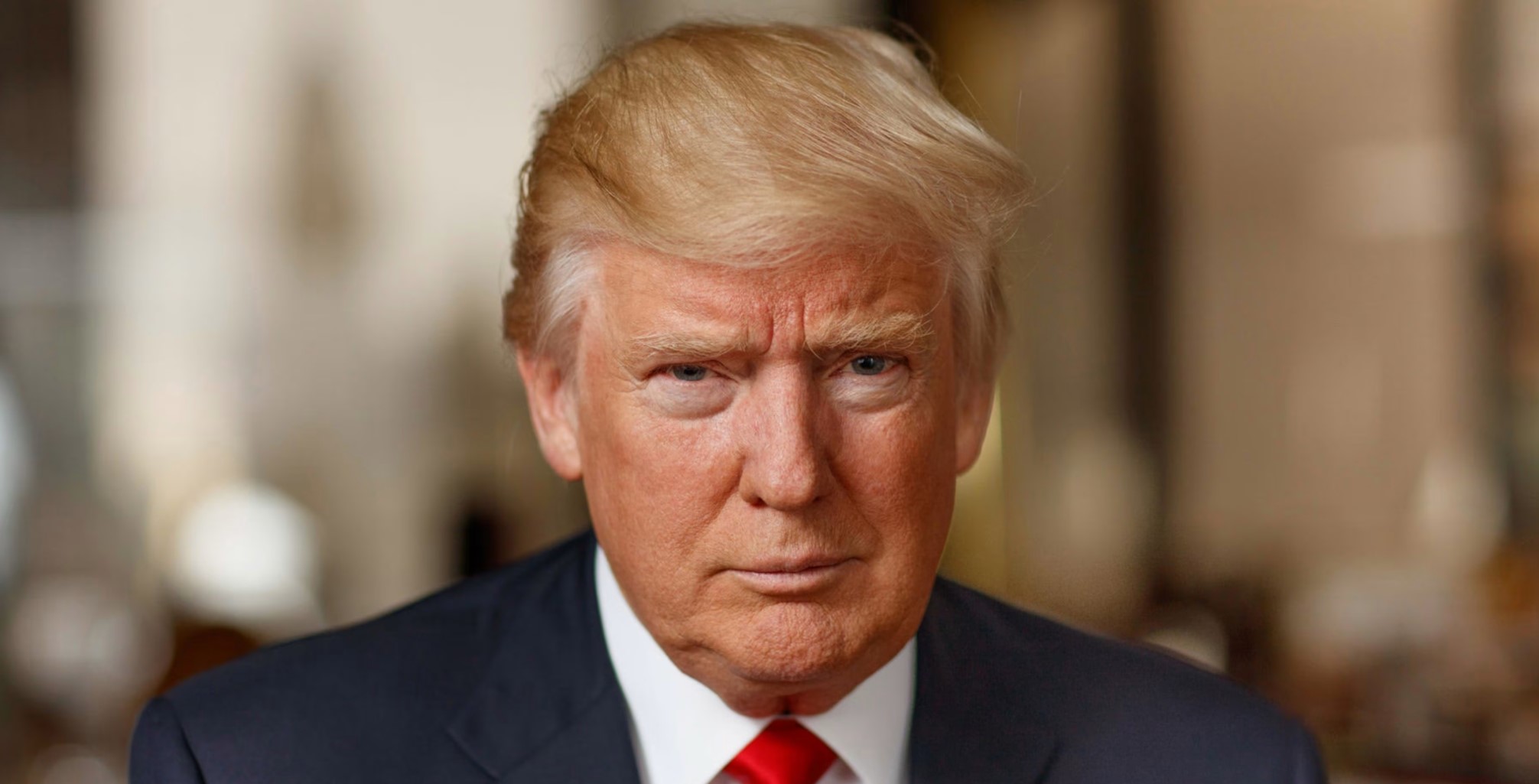
Garfield Mayor Everett E. Garnto Jr. has left the Democratic Party, joining Republicans and endorsing Trump. His move signals a broader political shift in New Jersey’s traditionally blue landscape.
A surprising political move in New Jersey has sent shockwaves through one of America’s bluest states. Garfield Mayor Everett E. Garnto Jr. has officially left the Democratic Party and joined the Republicans, citing frustration with state leadership and growing support for former President Donald Trump.
The switch, announced at a packed rally, underscores how Republican messaging is resonating with voters in areas long considered safe for Democrats. Analysts say this could mark the start of a broader realignment in New Jersey politics.
Why the Mayor Switched Parties
Mayor Garnto, a former police union president and longtime public servant, didn’t hold back in his announcement. He criticized Democratic Governor Phil Murphy’s policies, pointing to:
High taxes
Rising electric bills
Concerns about public safety
“The state is broken,” Garnto declared, arguing that residents deserve leadership that prioritizes affordability and safety. He also announced his support for Donald Trump in 2024 and endorsed Republican candidate Jack Ciattarelli for governor.
The Bigger Picture: New Jersey Politics in Flux
Garfield’s voting trends already hinted at change. In 2024, Trump won the municipality by nine points, a sharp contrast to Governor Murphy’s slim three-point win there in 2021. This shift suggests that voters are moving right, making it harder for local Democratic leaders to ignore changing public sentiment.
Political experts say Garnto’s move wasn’t just personal—it was strategic. With voter loyalty shifting, local leaders may find it increasingly difficult to survive as Democrats in certain communities.
Ciattarelli’s Strategy: Building a Bigger Tent
Jack Ciattarelli has welcomed Garnto’s endorsement as proof that Republicans can attract not just conservatives, but also independents and disaffected Democrats.
“It’s not just Republicans who are crying out for change,” Ciattarelli told the rally. “It’s independents and even moderate Democrats who feel let down by this administration.”
He also highlighted support from other former Democrats, framing the defections as part of a larger trend. This coalition-building approach is crucial in a state where Democrats still hold a registration advantage.
Cracks and Challenges in Both Parties
The shift comes as both parties wrestle with internal struggles:
Republicans remain divided, with some populist factions reluctant to unite behind Ciattarelli.
Democrats have managed to stay more unified at the state level, but defections like Garnto’s highlight growing voter dissatisfaction.
Polling also shows warning signs for Democrats. A recent Emerson College/The Hill poll found Trump’s approval rating in New Jersey nearly matches Murphy’s, reflecting a major swing since 2020.
County-Level Gains Fuel GOP Hopes
Republicans have been making progress in traditionally Democratic counties, including Passaic, Gloucester, and Atlantic. In diverse areas like Passaic—home to large Hispanic populations—Republican messages about economic struggles and safety appear to be connecting.
This trend suggests that GOP gains are broad-based and not limited to conservative-leaning pockets of the state.
What It Means for 2025 and Beyond
The 2025 New Jersey gubernatorial election could be a turning point. If Ciattarelli and Republicans can translate these shifts into a statewide victory, it would confirm that New Jersey is no longer the guaranteed Democratic stronghold it once was.
For Democrats, the challenge will be addressing voter concerns over taxes, cost of living, and crime without alienating their progressive base. For Republicans, the test will be proving they can govern effectively, not just criticize.
Either way, Mayor Garnto’s dramatic switch signals that New Jersey’s political map is changing—and the ripple effects could shape national politics in the years ahead.