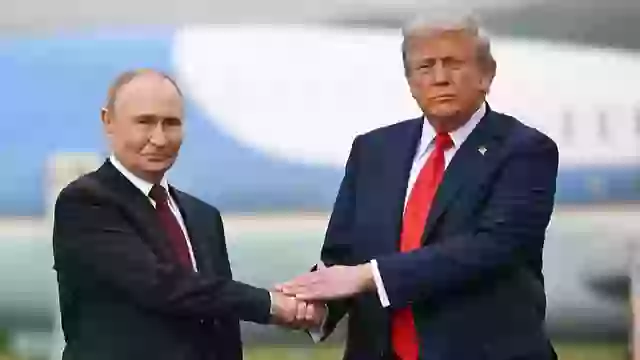
Vladimir Putin shares an unexpected detail about his relationship with Donald Trump, confirming regular communication as tensions rise over the Russia-Ukraine war and fears of World War III.
Russian President Vladimir Putin has provided new insight into his ongoing relationship with former U.S. President Donald Trump, revealing that the two have an open and direct line of communication. This rare disclosure comes after the two leaders met in Alaska last month to discuss the potential for peace in the Russia-Ukraine war, although no formal agreement was reached.
Trump left the meeting optimistic, stating that there was “a very good chance of getting there” when it came to bringing an end to the ongoing conflict. His diplomatic efforts continued as he met with European leaders and Ukrainian President Volodymyr Zelenskyy shortly after, pushing for a ceasefire and long-lasting peace.
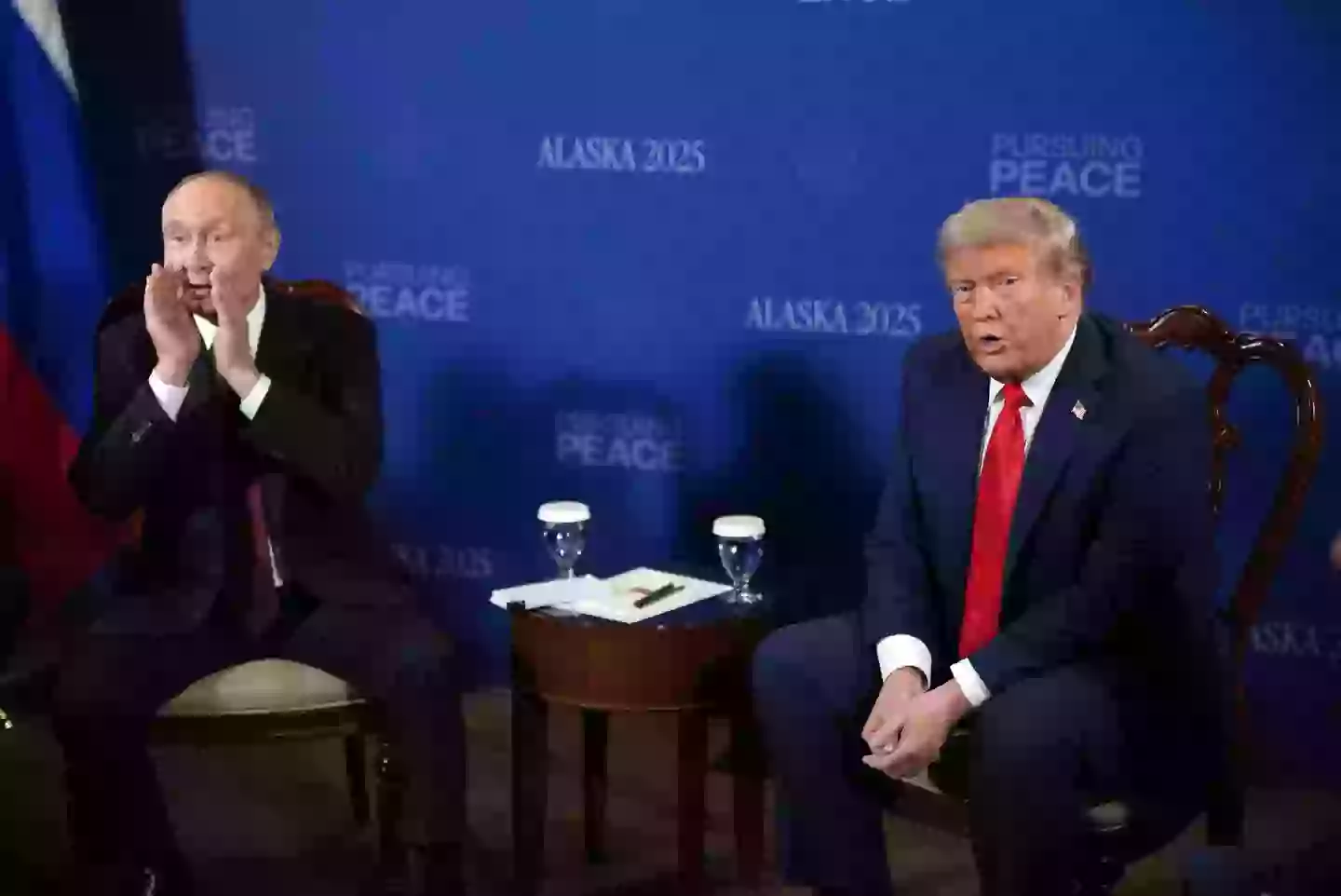
Trump has previously warned Putin of a “rough situation” if he does not cooperate in the peace process, also calling on Zelenskyy to demonstrate flexibility. “I hope President Putin is going to be good, and if he’s not, that’s going to be a rough situation,” Trump told Fox News. “And I hope that Zelenskyy… has to show some flexibility.”
Despite not securing an end to the war, Trump has confirmed that he remains in regular contact with Putin, which was corroborated by Russian state media. According to the news agency Tass, Putin revealed that he and Trump have an agreement to communicate whenever necessary.
“President Trump and I have an open dialogue,” Putin said in an interview on September 5, 2025. “There is an agreement that, if necessary, we can call, contact, and talk to each other. He knows that I’m open to these conversations. And so is he, I know that.”
Rising Fears of World War III
As the war in Ukraine continues, fears of a global conflict, including the possibility of World War III, have been rising. A recent YouGov survey, conducted in the UK, France, Germany, Italy, and Spain, found that between 41 and 55 percent of respondents believe another world war could occur within the next five to ten years. In the U.S., 45 percent of Americans share this concern.
In response to these fears, Putin sought to downplay the possibility of further aggression. Speaking alongside Slovakian Prime Minister Robert Fico earlier this week, Putin dismissed concerns that Russia had any plans to escalate its actions in Europe or target NATO countries, calling such claims “absolute nonsense” and labeling the response from the EU as “hysteria.”

“As for ‘Russia’s aggressive plans with respect to Europe,’ I want to emphasise once again that this is complete nonsense, which has absolutely no basis,” Putin stated. “Any sensible person realizes that Russia has never had, does not have, and will not have the desire to attack anyone.”
Geopolitical Tensions and Future Prospects
Despite Putin’s reassurances, tensions between Russia and the West remain high, with military alerts and preparations being made in various European nations. Hospitals in France have been instructed to prepare for a potential “major military deployment” by March 2026, and Germany has reported being on alert for military drills earlier this week. These developments, coupled with Putin’s dismissal of WW3 fears, highlight the fragile state of global diplomacy.
As the situation evolves, the open dialogue between Trump and Putin may serve as a crucial component in navigating the complexities of the Russia-Ukraine conflict and the broader geopolitical landscape.