Aleshia Rogers, a Nebraska mom, suffered severe skin loss and a life-threatening condition after taking ibuprofen post-surgery. Her story highlights the dangers of Stevens-Johnson Syndrome (SJS) and Toxic Epidermal Necrolysis (TENS). Learn about this rare reaction and her recovery.
Nebraska Woman’s Skin “Fell Off” After Ibuprofen Triggered Rare and Deadly Reaction
A Nebraska mother, Aleshia Rogers, wants to raise awareness about the dangerous and potentially life-threatening reaction she experienced after taking ibuprofen twice a day. Her skin began to “fall off” after taking the common painkiller post-childbirth, leading to a severe condition that nearly took her life.
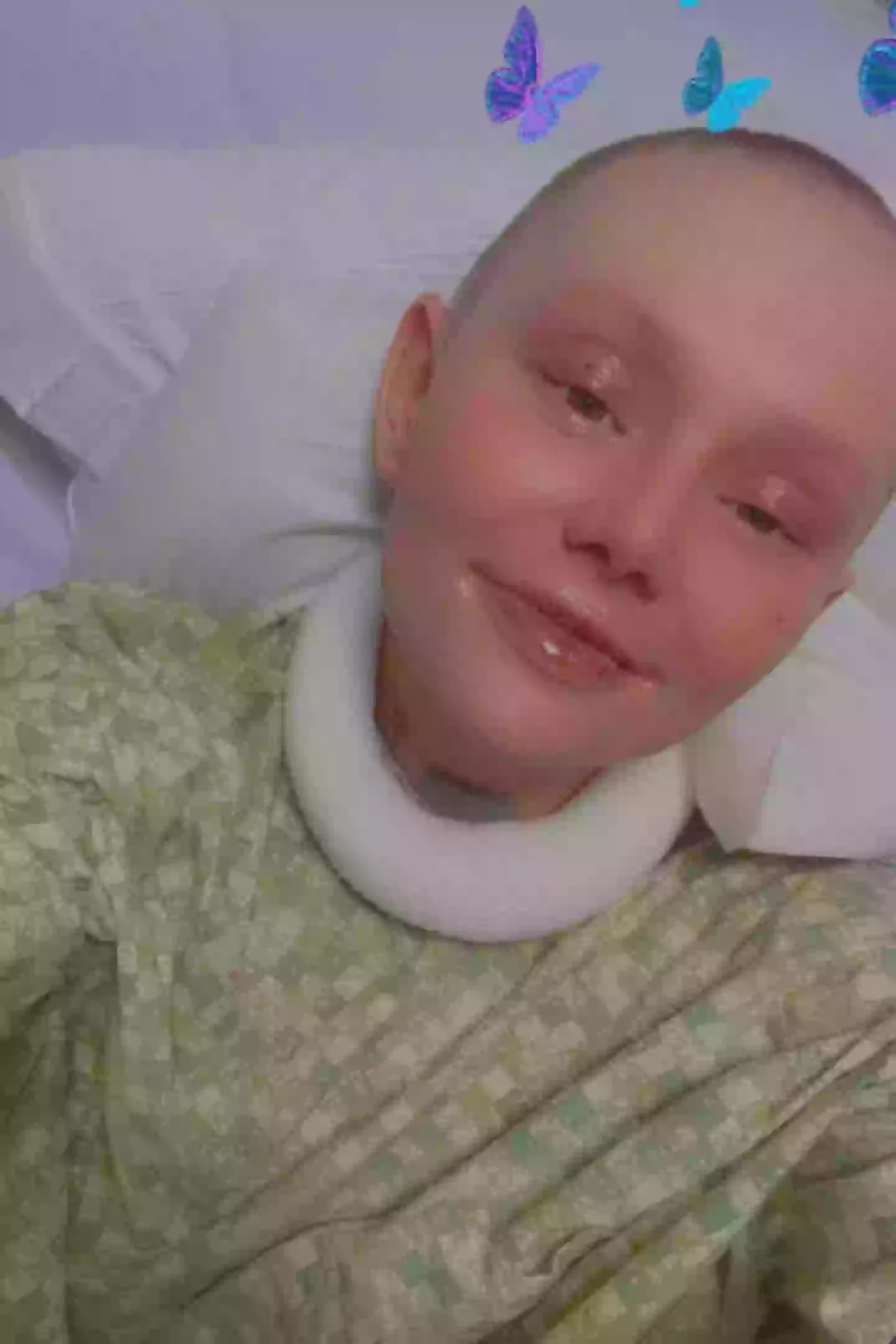
Aleshia, 27, had just given birth to her son via caesarean section in August 2020 when she began taking ibuprofen regularly to manage pain and swelling. Three weeks later, she began experiencing flu-like symptoms, including a high fever and a burning sensation when swallowing. Her eyes began to swell, and a rash developed on her chest. Initially, doctors thought it might be scarlet fever, but things soon took a terrifying turn.
Within hours of leaving the emergency room, blisters appeared on Aleshia’s face, and her skin began to peel off. Rushed back to the hospital, she was diagnosed with Stevens-Johnson Syndrome (SJS), a rare and often fatal disorder caused by a severe allergic reaction. Unfortunately, Aleshia had developed the most severe form of SJS: Toxic Epidermal Necrolysis (TENS), which led to a life-threatening situation.
.jpg)
A Desperate Fight for Survival
Aleshia was transferred to a burns intensive care unit, where she was placed into a medically induced coma for three weeks. During this time, she battled sepsis and multi-organ failure. The severity of her condition required doctors to perform a full-body skin excision and grafting procedure, as 95 percent of her skin had fallen off. An amniotic membrane transplant was also performed on her eyes to reduce inflammation and prevent scarring.
Despite being given a 5-10% chance of survival, Aleshia pulled through. After a month in intensive care, she was discharged, but her appearance had changed drastically. “I looked unrecognizable to my family,” she recalls. “I lost a lot of memories and had no idea what had happened to me.”
.jpg)
Her doctors were unable to provide a clear explanation for why she developed SJS, especially since Aleshia had been taking ibuprofen for years to manage period pain without any issues. There is no known prevention for SJS, and once the condition begins, there is nothing that can be done to stop it. Even today, Aleshia lives with the fear that it could happen again at any time.
Raising Awareness About SJS and TENS
Five years after the incident, Aleshia still faces complications from her ordeal and urges others to be mindful when taking pain medication. “I don’t want people to be afraid of medicines, but I want people to be aware of what can happen,” she says.
Symptoms of Stevens-Johnson Syndrome (SJS)
.jpg)
SJS is a rare but serious disorder, affecting approximately 33,000 people globally each year, with around 1,500 cases in the United States alone. It often begins with a sore throat, followed by a painful rash that develops into blisters and skin peeling. Other symptoms can include light sensitivity, fever, fatigue, and pain when urinating.
If you notice any of these symptoms, it’s crucial to seek medical attention immediately. Early detection and treatment can significantly improve outcomes.
The Dangers of Ibuprofen and Painkillers
While ibuprofen is widely used and generally considered safe for many people, Aleshia’s story serves as a stark reminder of the rare but severe reactions that can occur. Always consult with a healthcare professional before taking regular medication, and be mindful of any unusual symptoms that arise.