In a courtroom moment that stunned many, Georgia widow Regina Johnson embraced the man who killed her husband of 50 years. Her act of forgiveness has sparked an emotional online debate.
@abcworldnews Whit Johnson reports on the remarkable act of #forgiveness that unfolded in a #Georgia #courtroom when a woman forgave the man convicted of killing her husband in a #hitandrun. #WorldNewsTonight #News ♬ original sound – ABC World News Tonight
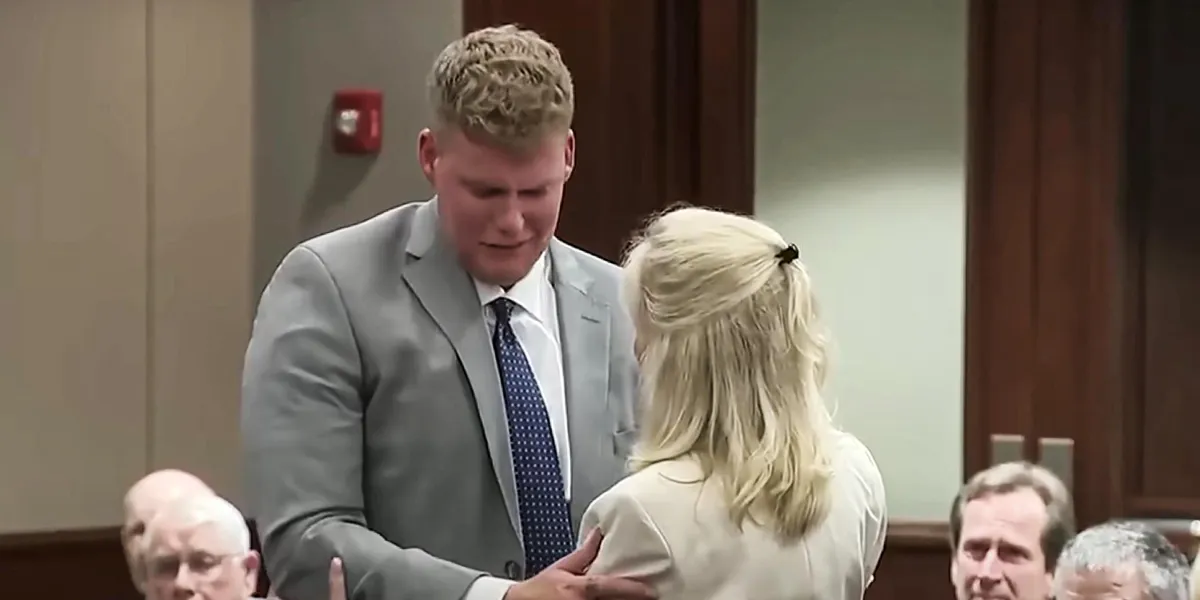
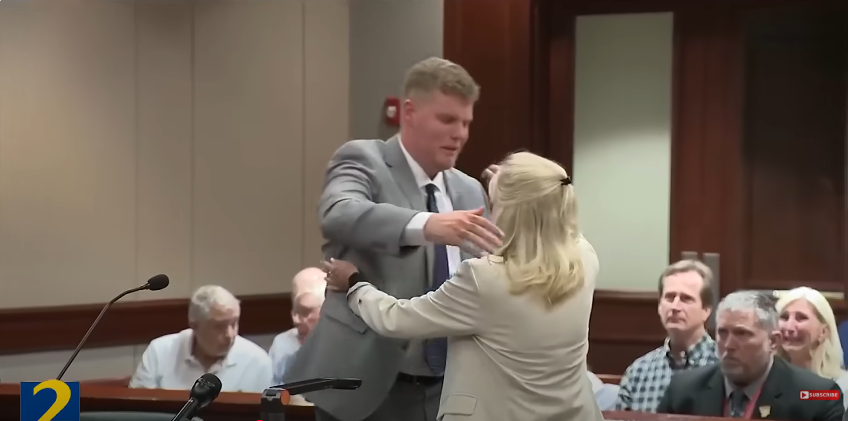
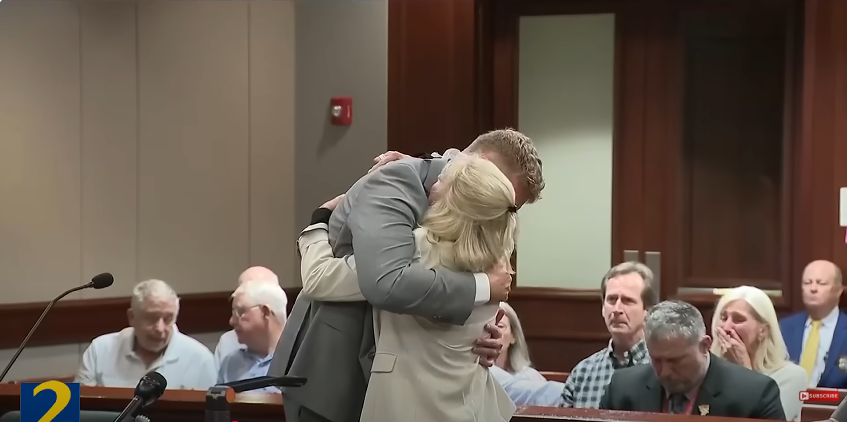
In a powerful and unexpected gesture, Regina Johnson, a widow from Georgia, shocked a courtroom when she embraced the man who killed her husband of 50 years. The emotional moment has since gone viral, igniting a wave of reactions across social media.
A Grief-Stricken Gesture of Forgiveness
Regina’s husband, Chuck Johnson, tragically lost his life in a hit-and-run incident. The man responsible for the fatal crash, Joseph Tillman, pleaded guilty to charges including homicide by vehicle, DUI, making a false statement, and reckless driving. He was sentenced to 20 years in prison, with the option of having his sentence suspended if he successfully completes a two-year inpatient rehabilitation program.
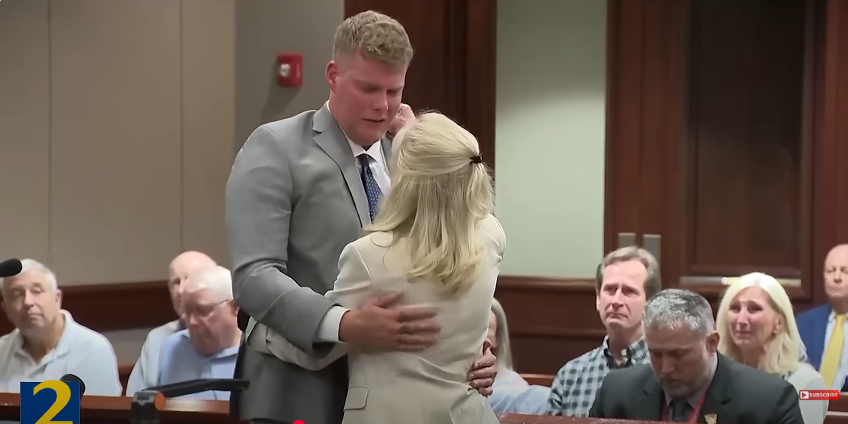
However, what transpired in the courtroom during Tillman’s sentencing left everyone in shock. Regina walked up to the defendant, Joseph, and wrapped her arms around him in a heartfelt hug. Even the judge was taken aback by this act of forgiveness, stating, “I don’t think I’ve ever seen the wife of a victim hug the defendant where they killed somebody.”
The Online Outcry
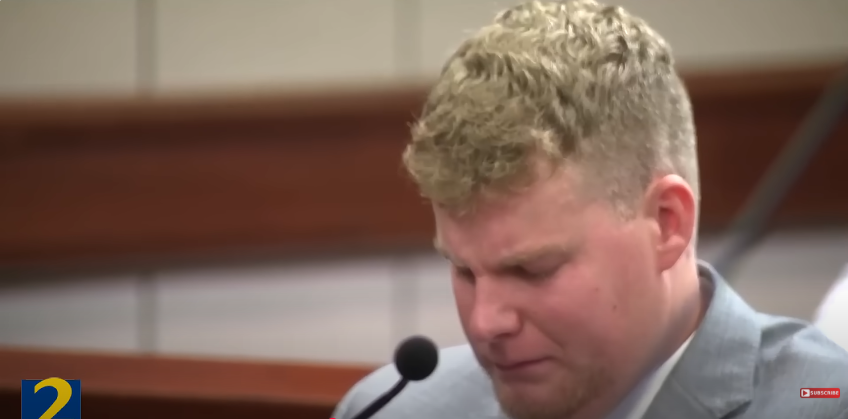
As footage of the embrace spread across social media, reactions flooded in. Some praised Regina’s compassion and faith, calling it a “truly powerful and moving moment of forgiveness.” Others, however, found the gesture hard to accept. One user wrote, “I understand letting go of the anger, but hugging the man who killed your husband??”
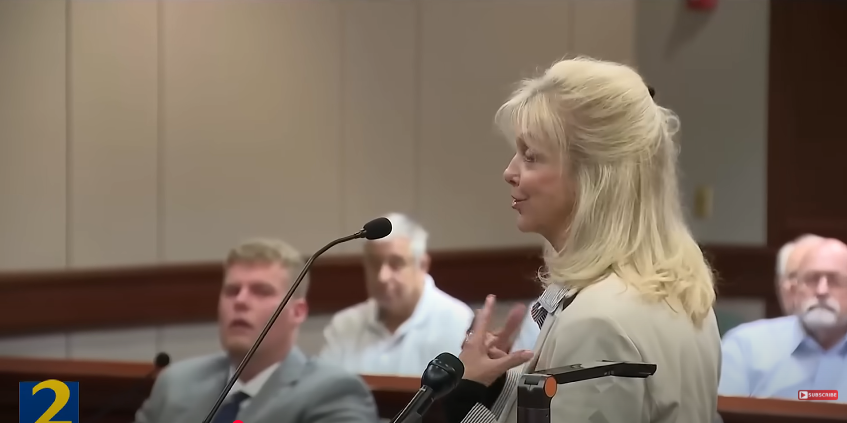
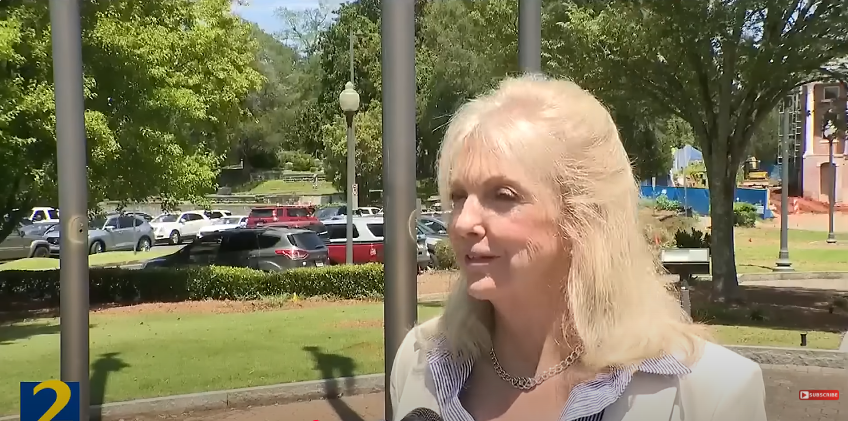
Regina’s decision to forgive Joseph was rooted in her faith. She shared with the court, “God told her he needed a mom hug.” The widow explained her act of forgiveness, saying, “Joey doesn’t know yet how much God loves him. Joey needs healing of things in his past, as we all do.”
As Regina embraced Joseph, she whispered, “I forgive you,” while Joseph, visibly emotional, responded with an apology. “I’m so sorry. I’m so sorry,” he said, expressing his remorse for the pain he caused.
A Divided Perspective on Forgiveness
The act of forgiveness sparked an intense debate on social media. While some felt Regina’s actions were an inspiration, others believed certain acts should remain unforgivable. “Some things are unforgivable. Some anger is appropriate, healthy, and healing,” one commenter stated, while another emphasized the need to “normalize NOT having to forgive everything in order to be considered a good person.”
On the other side, many saw Regina’s response as a profound example of healing and compassion. One supporter wrote, “What a courageous lady she is! May God bless her and transform that young man’s heart and life!!”
The Incident and the Trial

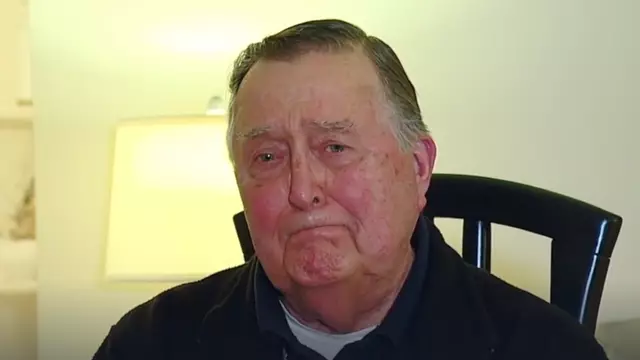
The tragic event unfolded when Chuck Johnson, 78, was riding his electric bike and was struck by Joseph Tillman, who had been drinking alcohol at a bar and inhaling nitrous oxide before driving. Investigators found that Joseph had passed out before veering off the road and hitting Chuck. Following the incident, Joseph fled the scene, leaving Chuck to die from his injuries.
During the sentencing, Chuck’s children, Brittany McCarthy and Chuck’s son, both gave emotional statements in court. Brittany, tearfully addressing Joseph, said, “I will always be the daughter of a man that you killed. A life you forever changed because of your choice to do drugs while driving.” Chuck’s son condemned Joseph’s actions, calling him a “deadly weapon” whose actions cost their family dearly.
A Mother’s Compassion, A Son’s Remorse
While Joseph’s actions will forever be the cause of immense pain for Regina and her family, her decision to show him mercy has sparked a broader conversation about forgiveness, grief, and healing. Regina’s courage to act out of love and faith serves as a reminder that, even in the face of tragedy, compassion can be a powerful force for both personal and societal transformation.