A federal court rules that most of Donald Trump’s tariffs are illegal, setting the stage for potential Supreme Court action. Here’s everything you need to know about the ruling and its implications for US trade.
In a significant legal blow to President Donald Trump’s trade policies, the US Court of Appeals has ruled that most of his tariffs are illegal. The court’s decision comes after months of legal challenges, with critics arguing that the tariffs imposed on countries around the world were unauthorized and harmful to US trade relations.
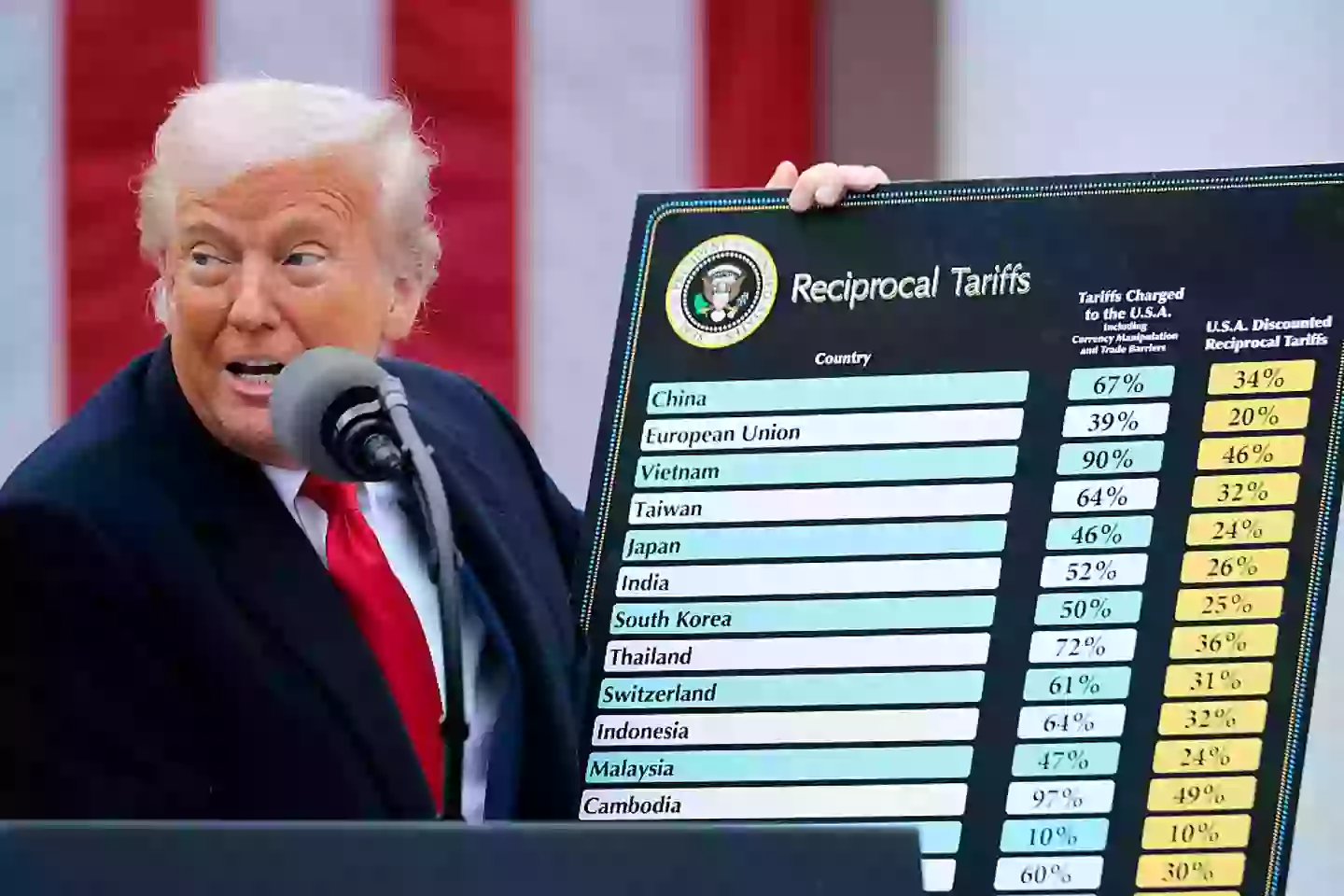
The case revolves around Trump’s controversial “reciprocal tariffs,” which were implemented in 2021 as part of his broader plan to address trade imbalances with countries he deemed had “unfair” trade practices. The tariffs, which had a flat 10 percent baseline rate on imports from various countries, were set to be a major revenue-generating strategy for the administration.
The Court’s Decision and Timeline
The decision follows a ruling from May 2023 by the Court of International Trade, which rejected Trump’s claim that his tariffs were justified under the International Emergency Economic Powers Act (IEEPA). Trump had argued that the alleged trade imbalance posed a national security threat, making the tariffs necessary under emergency powers.
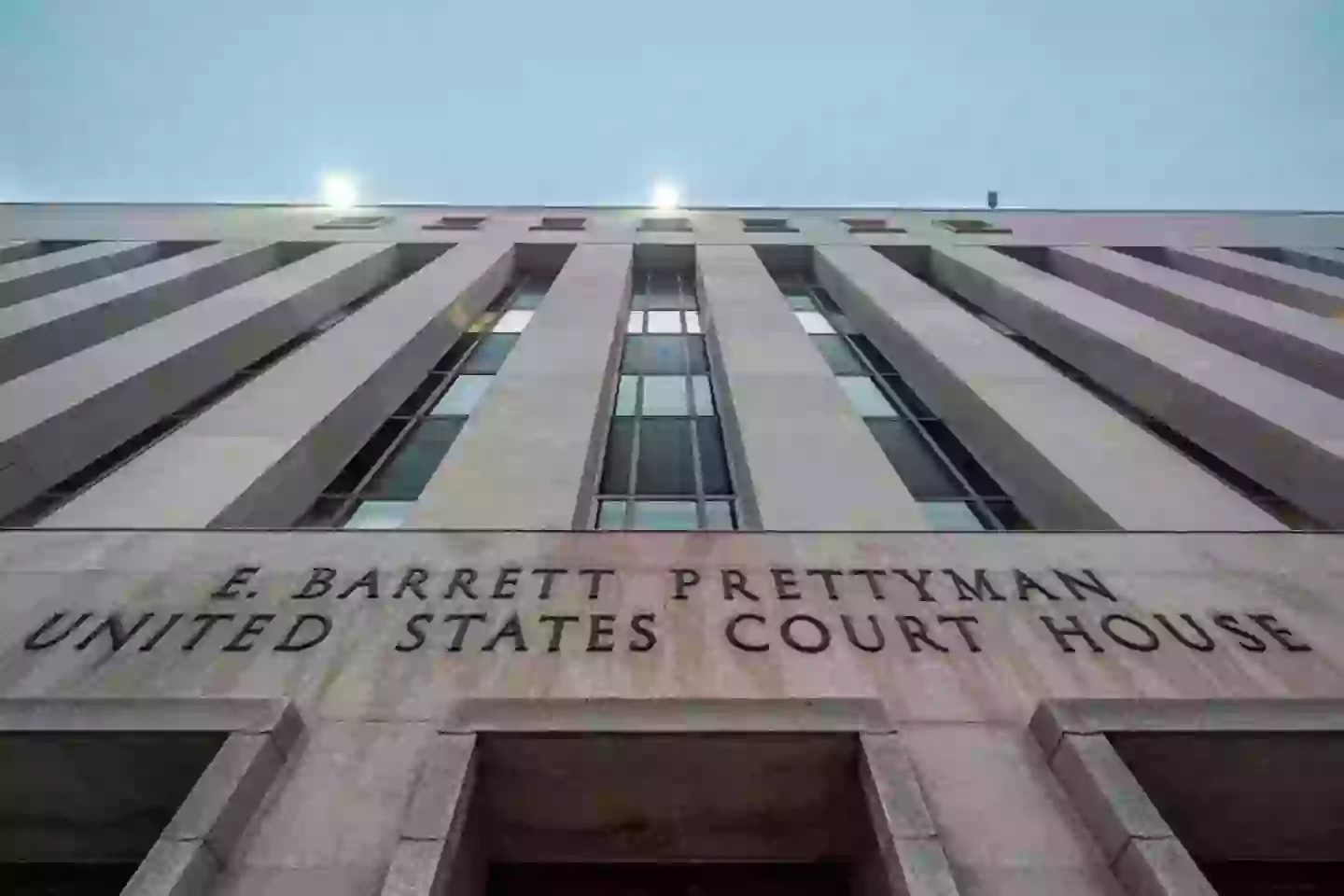
However, the US Court of Appeals disagreed, stating that the IEEPA did not provide the president with the authority to impose tariffs. The court ruled in a 7-4 decision that the emergency law, which allows the president to act in response to national emergencies, does not extend to the imposition of tariffs.
While the appeals court found the tariffs illegal, it did not immediately remove them. Instead, the court ruled that the tariffs would remain in place until October 14, 2025, after which they would no longer be enforceable unless the decision is overturned by the US Supreme Court.
The Legal Basis for the Ruling
The IEEPA, passed in 1977, grants the president the authority to respond to national emergencies or major threats from abroad by using economic measures, such as sanctions. However, the appeals court ruled that the law does not explicitly authorize the imposition of tariffs, which are a form of taxation. The law does not mention tariffs or provide clear limits on the president’s power to impose them.
The appeals court also highlighted the lack of procedural safeguards within the IEEPA to ensure that such powers are used appropriately. This decision underscores the importance of maintaining constitutional limits on executive power, particularly in areas as significant as trade policy.
Trump’s Reaction and Potential Supreme Court Fight
In response to the court’s ruling, Trump took to Truth Social to criticize the decision, calling it “highly partisan” and labeling the ruling a “disaster” for the United States. He warned that if the decision stood, it would “literally destroy the United States of America.”
Trump expressed confidence that the case would likely be taken up by the US Supreme Court, which has a conservative majority. He also suggested that, with the Supreme Court’s help, the tariffs could be used to benefit the nation, making the US “rich, strong, and powerful again.”
While Trump’s legal team may seek a favorable outcome from the Supreme Court, the ruling could still pose risks for the financial markets, with uncertainty about whether the US will need to refund billions of dollars in tariff revenues collected from imports.
Broader Implications for US Trade and International Relationships
The court’s decision raises significant questions about the future of US trade policy and its relationships with key international partners like the UK, Japan, and South Korea. These countries had agreed to trade deals before the August deadline in hopes of avoiding the impact of Trump’s tariffs. If the tariffs are eventually deemed illegal, it could alter these agreements and shift the dynamics of global trade.
Moreover, the ruling could have broader consequences for the US economy. Many industries, particularly those reliant on imports, have been adversely affected by the tariffs, and the legal uncertainty around their future could lead to further financial instability.
Looking Ahead: What Happens Next?
With the possibility of a Supreme Court review, the future of Trump’s tariffs remains uncertain. If the Supreme Court upholds the appeals court’s decision, it could create a legal precedent that limits the president’s ability to unilaterally impose tariffs, potentially reshaping US trade policy for years to come.
As the October deadline approaches, lawmakers, economists, and international trade partners will be closely watching to see how the legal battle unfolds and what the long-term implications will be for global trade and the US economy.