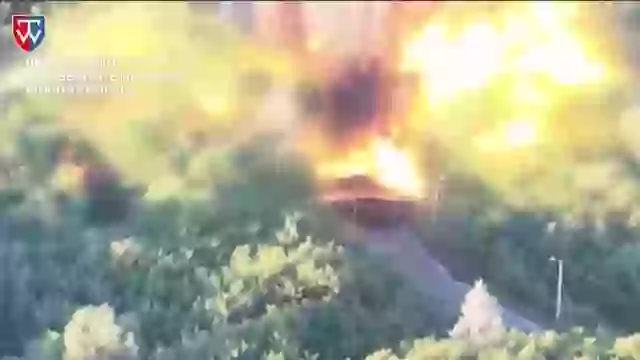
“Ukraine uses drones to destroy Russian bridges near Kharkiv, showcasing a new strategy in the ongoing war. The attack raises fears of World War III as tensions escalate between Ukraine and Russia.”
In a shocking new development from the ongoing conflict, Ukraine has successfully deployed drones to destroy two key Russian bridges, capturing the explosive moment on camera. The attack, which took place on August 23, targeted vital Russian resupply routes near Ukraine’s Kharkiv region, significantly impacting Russian military logistics.
Strategic Bridges Destroyed
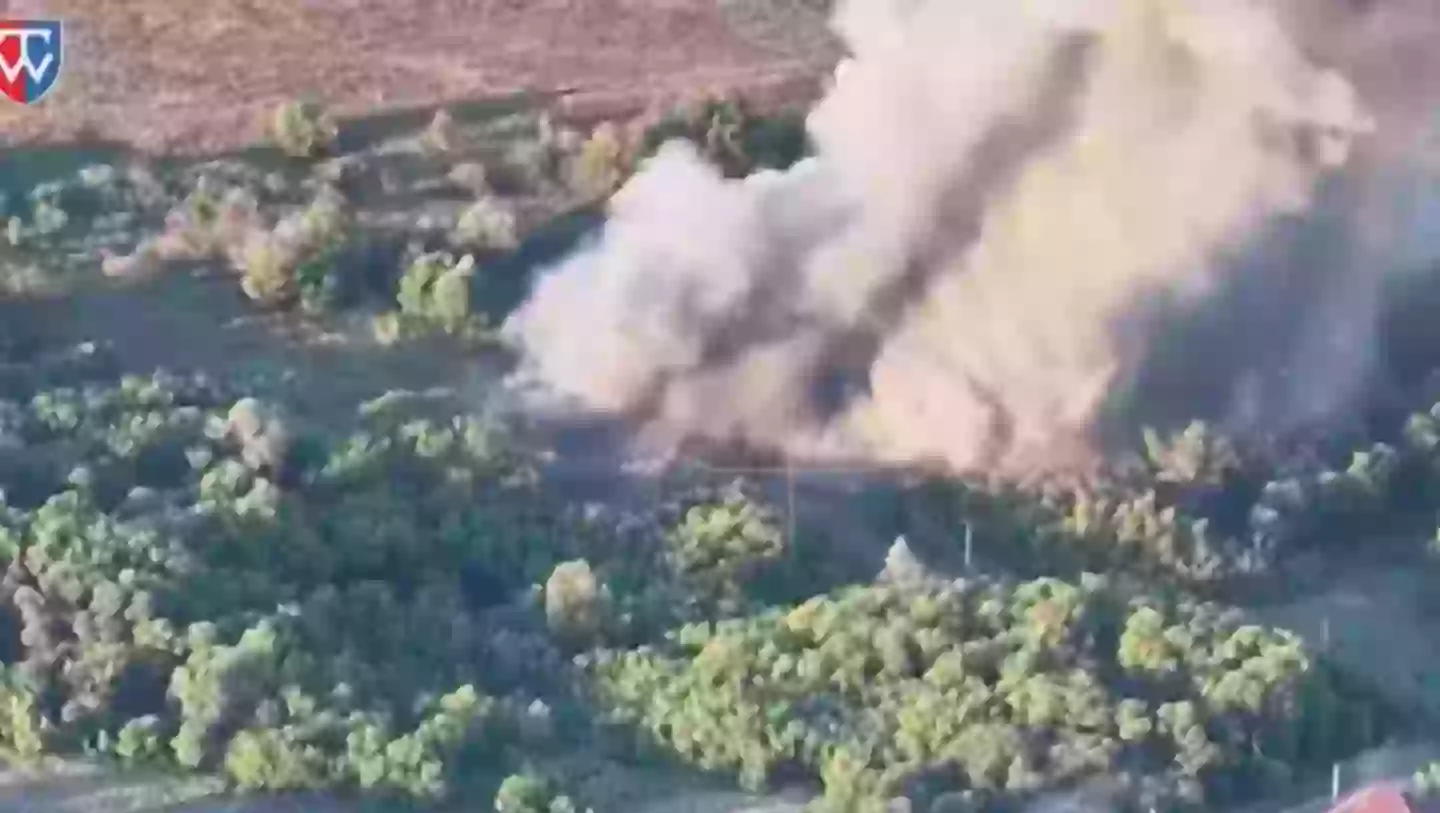
According to reports from CNN, these two bridges were heavily mined by Russian forces as a precautionary measure against any potential enemy advances. The Ukrainian 58th Separate Motorized Infantry Brigade confirmed that the drones struck the explosive devices under the bridges, causing massive destruction.
The brigade’s spokesperson explained that the opportunity to target the mines came after unusual activity around the bridges was detected. To investigate further, Ukraine used a first-person-view drone with fiber optics, which successfully bypassed communication barriers to reveal the hidden explosives.
The Drone Attack
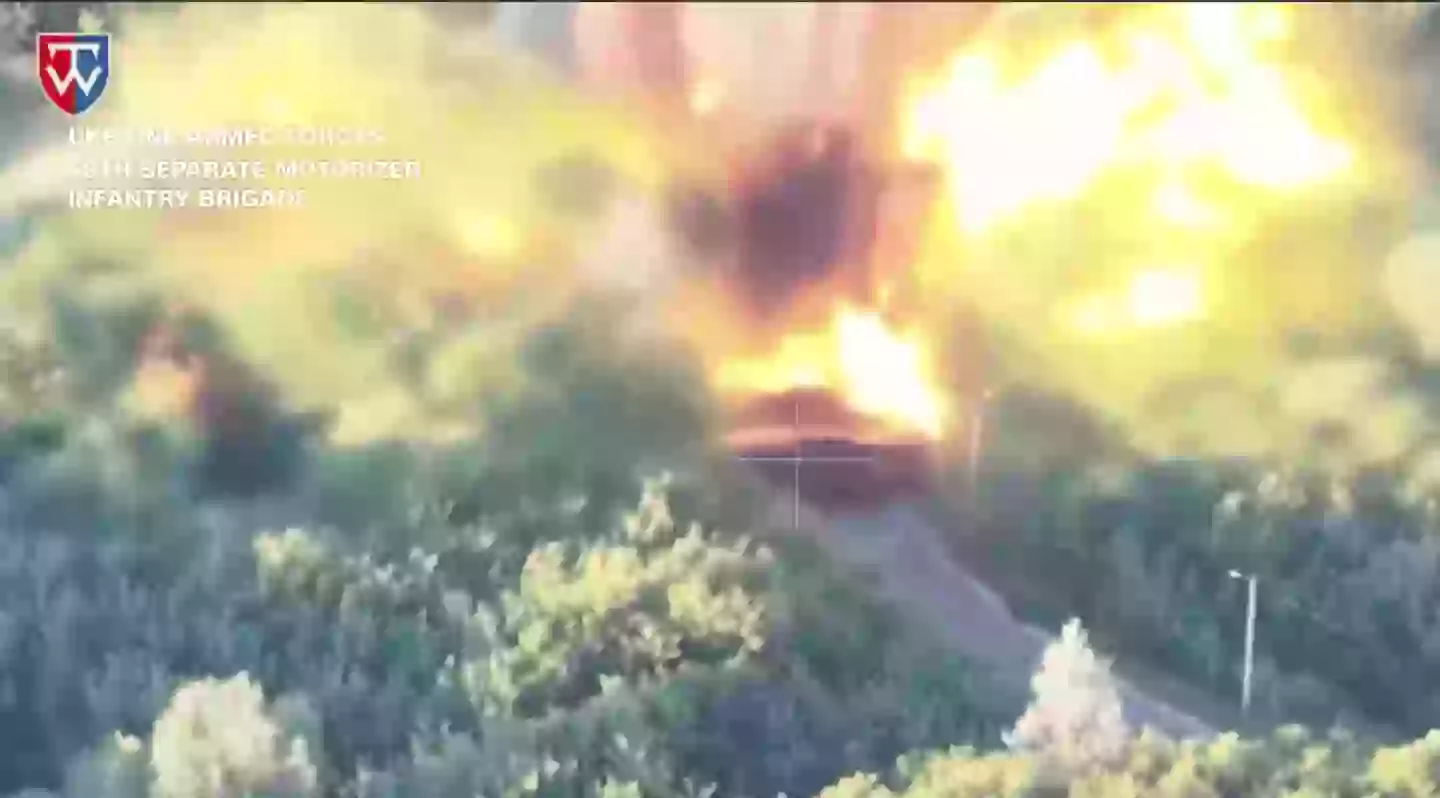
In an intense video released by the Ukrainian military, drones can be seen approaching the bridge, with a pile of uncovered explosives clearly visible. The footage ends abruptly as one of the drones collides with the stash, triggering a large explosion. A second clip, filmed from a distance, shows the immense blast that resulted from the drone’s strike.
Remarkably, the drones used in the attack were relatively cheap, costing between $600 and $725 each. These UAVs, equipped with TM-62 anti-tank mines, are far less expensive than the more advanced weapons previously used, like the Western-supplied High Mobility Artillery Rocket System (HIMARS). According to Militarnyi, the drones were part of a new, cost-effective strategy for targeting key infrastructure.
Ukraine’s Shift to Cost-Effective Weaponry
While Ukraine’s military has relied on HIMARS for previous bridge destructions—such as attacks in Russia’s Kursk region—the high cost of these systems, which reached $30 million for just three launchers, has prompted a shift toward more affordable drone technology. The success of the recent drone attack indicates that less expensive solutions are proving effective in the ongoing conflict.
Russia has yet to comment on the destruction of the two bridges, but the attack has intensified the already high tensions between the two nations.
Previous Ukrainian Attacks and Growing Tensions
This latest attack follows a series of successful Ukrainian operations targeting Russian infrastructure, including the 12-mile-long Kerch bridge. In June, Ukraine’s SBU security service detonated a massive underwater blast that severely damaged the key road and rail passage connecting Russia to Crimea. While traffic resumed just hours later, the strike further escalated tensions.
The continued destruction of Russian military assets has led to increased fears of a broader conflict, with some speculating that the situation could escalate into World War III.
Trump’s Comments on WW3 Fears
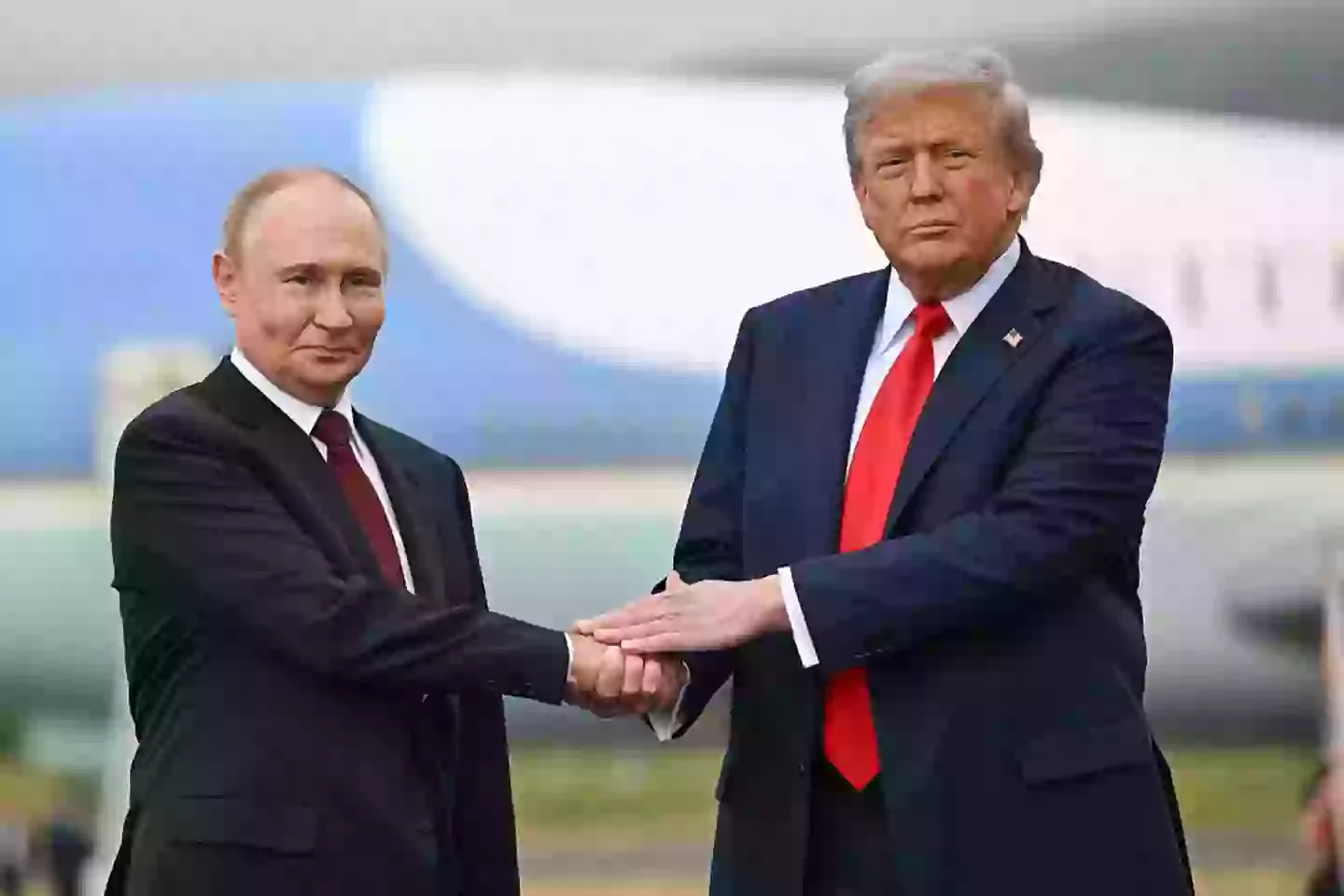
The attack on the Russian bridges comes amid growing fears of a global conflict, particularly after U.S. President Donald Trump addressed the possibility of World War III. In a recent interview, Trump suggested that the U.S. Department of Defense could be renamed the “Department of War” to better reflect the global security climate. Trump, who recently met with Russian President Vladimir Putin, has been working toward a ceasefire agreement in the Russia-Ukraine war, although no formal deal has been reached.
Trump has also hosted European leaders, including Ukraine’s President Volodymyr Zelenskyy, at the White House to continue peace talks.
The Rising Threat of Global Conflict
As the war in Ukraine continues to escalate, the involvement of global powers and the increased use of advanced weaponry raises concerns that the conflict could spread beyond the borders of Europe. The ongoing destruction of key infrastructure, combined with diplomatic efforts to reach a ceasefire, signals that the situation remains highly volatile.
With tensions rising, it is crucial for the international community to remain vigilant as diplomatic and military strategies continue to unfold.