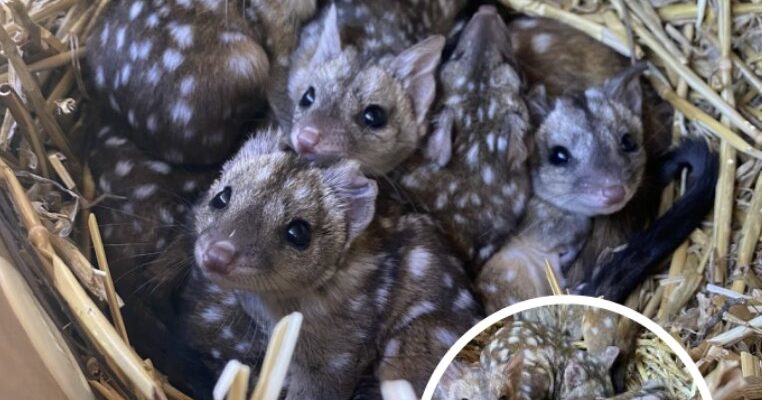
Ecologists at Mt. Gibson Wildlife Sanctuary in Australia celebrate the birth of the first-ever baby western quolls, marking a major achievement in wildlife conservation and reintroduction efforts.
A Remarkable Discovery: Baby Western Quolls Born at Mt. Gibson Wildlife Sanctuary
In a groundbreaking moment for wildlife conservation, ecologists at Mt. Gibson Wildlife Sanctuary in Australia have made an exciting discovery: the first-ever baby western quolls, also known as chuditch, have been born at the sanctuary. This incredible find came during a routine survey when researchers spotted several female quolls carrying tiny, wriggling infants in their pouches.
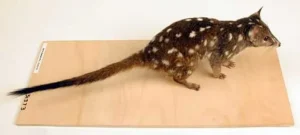
Western quolls, fascinating marsupials about the size of a domestic cat, are vital to their ecosystems. They help control populations of small invertebrates, reptiles, and birds, ensuring balance within the environment. However, over the years, their population has significantly declined. The Australian Wildlife Conservancy (AWC) reports that the western quoll’s range has shrunk dramatically since European settlement, and now they are primarily found in the southwestern corner of Western Australia.
Conservation Efforts Paying Off
The recent births are a hopeful sign that conservation efforts aimed at reintroducing these remarkable creatures are beginning to show positive results. According to Georgina Anderson, senior field ecologist at AWC, “After the reintroduction efforts, it’s heartening to see that the quolls are not just surviving but thriving.” Ongoing monitoring of the species shows successful adaptation to their new environments, and the sighting of pouch young represents a significant achievement for the sanctuary.
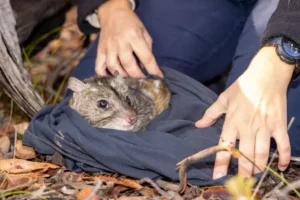
The birth of these quoll infants offers new hope for the species. With successful reintroduction programs and a focus on building sustainable populations, the future of the western quoll looks brighter. Conservationists are also involved in transporting groups of quolls across Australia, aiming to establish a more diverse and resilient population. Anderson stated, “We are absolutely delighted to witness the western quoll population at Mt. Gibson flourish. These encouraging signs of successful breeding offer optimism for the future of this species.”
The Broader Impact on Australia’s Ecosystems
The successful reintroduction of the western quoll is part of a larger conservation strategy to restore Australia’s unique ecosystems. As many species face increasing threats due to habitat destruction and climate change, the positive impact of these reintroduction efforts offers hope for the recovery of native wildlife.
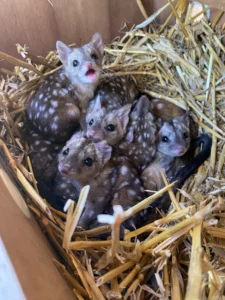
The birth of these quoll babies serves as a reminder that with continued conservation work, species recovery is possible. It underscores the importance of community involvement in wildlife preservation. Whether through volunteering, donating, or simply raising awareness, everyone can contribute to protecting Australia’s endangered species.
A Beacon of Hope for Conservation
This heartwarming news about the birth of baby western quolls at Mt. Gibson Wildlife Sanctuary shines a light on the critical role of dedicated conservation efforts. As the plight of various species becomes increasingly urgent, these small victories in wildlife conservation are a testament to the resilience of nature and the power of human intervention.
With continued support and collaboration, we can ensure that the western quoll, and other native species, continue to thrive in the wild for generations to come.